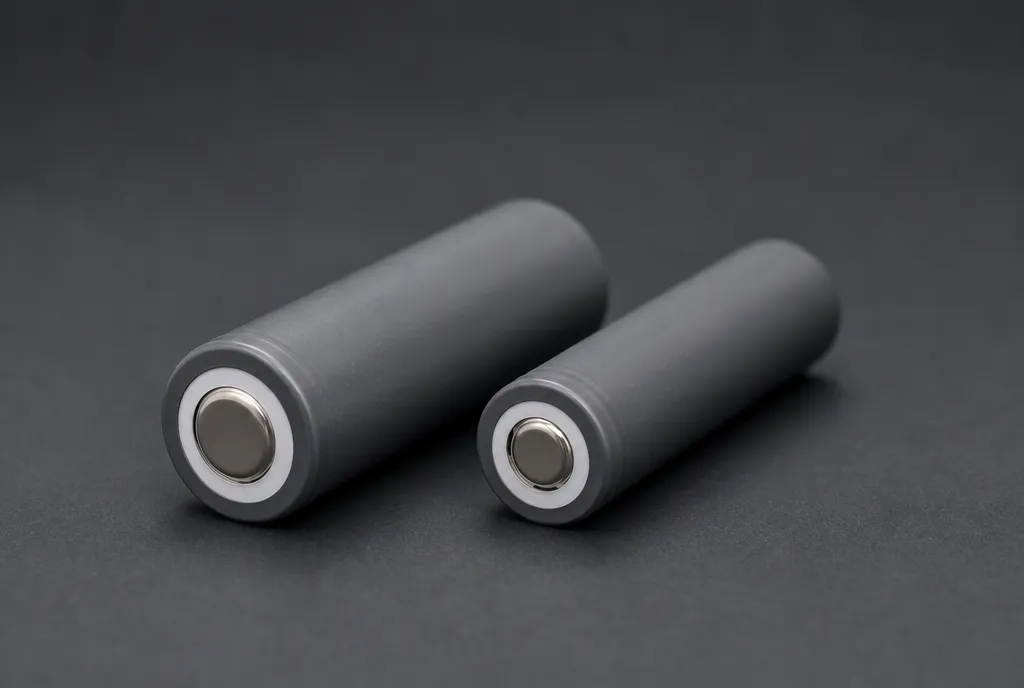
How to choose an 18650 battery for vaping
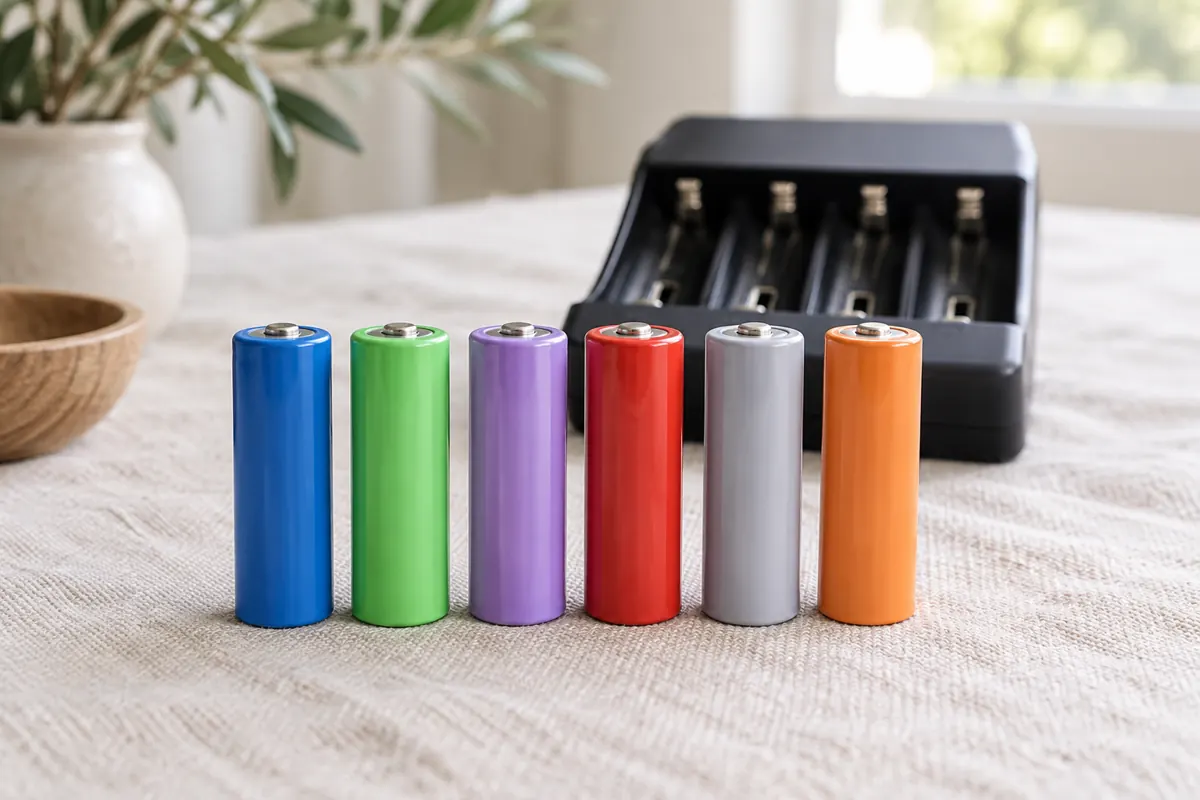
Stand in front of a British battery listing and one number does all the shouting: the capacity in milliamp hours. It is usually the wrong thing to look at first. The largest figure on the shelf is not automatically the right cell, and a generous 18650 battery can turn out to be a poor match for a demanding setup. The useful question is never which cell wins in the abstract, but which one suits the mod and the wattage you actually use. Here is how we work through it.
Choosing an 18650 battery starts with two opposing numbers
Every cell is described by two figures that pull in opposite directions, and understanding that tension removes half the bad choices before you spend anything.
Capacity, in milliamp hours, measures the reserve of energy and therefore the runtime. The continuous discharge rating, in amps, describes how much current the cell can supply steadily without stress. For reasons of construction, a very high capacity cell tends to offer a more modest discharge rating, and a cell built for hard use tends to carry a more contained capacity.
A mouth-to-lung setup at a modest wattage leans towards capacity. A hungry sub ohm build leans towards discharge, because that is the demand it places on the cell every time you press the button. Chasing the maximum of both on a single 18650 battery is how people end up disappointed, since the two qualities partly exclude one another.
Reading the datasheet, not the wrap
This is the part that most listings will not do for you, and it is the only part that carries any weight. The method matters more than any recommendation.
Start from the company that actually manufactured the cell rather than from the shop selling it. Find that maker’s own technical sheet, look up the exact cell reference you are considering, and read the line for continuous discharge. Not the pulse figure, not a burst figure, not a headline on a product page. The continuous line is the one the manufacturer stands behind.
Then treat the wrap with suspicion. A great many cells on the British market are rewraps, where a reseller has applied its own branding to a cell made by someone else, and the numbers printed on that sleeve may correspond to nothing a manufacturer ever published. If you cannot trace the cell back to a maker and a datasheet, you cannot know what you are buying, and that alone is reason enough to choose something else.
What a trustworthy 18650 battery looks like
Beyond the numbers, a handful of signals separate a serious cell from a doubtful one. They are quick to check and they are consistent.
A dependable 18650 battery comes from a recognised lithium cell manufacturer and carries specifications that are plausible rather than inflated. British specialists stock cells from the established names, and those names publish documentation you can actually find. Clear markings, a clean and unbroken wrap and a traceable source complete the picture.
The opposite pattern is just as easy to spot. Spectacular capacity paired with an enormous discharge claim, on a cheap cell from a seller nobody can identify, is the single most common warning sign in the category. Nothing about lithium chemistry has changed to make that combination possible, so a listing that promises it is describing marketing rather than a cell.
Matching the cell to how you vape
The best cell does not exist in isolation, only in relation to a use. Three profiles cover most British vapers, and they point in different directions.
For a restrained mouth-to-lung style at a low setting, a capacity oriented cell maximises the day without ever approaching its discharge limits. The cell is comfortably inside its envelope, so the reserve is what you notice.
For committed sub ohm use, a cell built for discharge takes priority even if its capacity is a little more contained, because it is the one absorbing the demand without sagging. For everything in between, a balanced cell with a sensible capacity and a solid discharge rating covers the ground.
On a mod that asks for a great deal, the smaller format sometimes reaches its limits, which is where moving up becomes a genuine question rather than an upgrade for its own sake. Our comparison of 21700 vs 18650 formats sets out that trade-off.
The mistakes that keep coming back
Some errors recur so reliably that naming them is worth more than any recommendation. Avoiding them is most of the job.
The first is chasing the largest capacity while ignoring the discharge rating, which leaves a demanding build underfed. The second is trusting an unknown cell with implausible specifications and no traceable maker behind it. The third is losing interest in the cell’s physical condition once it is in service, when a torn wrap is the fault that actually causes incidents.
A fourth is quieter and specific to dual cell mods: mixing cells of different ages, different references or different charge levels. In a series pair that imbalance loads the weaker cell while the stronger one still has reserve. Buy pairs together, keep them together, charge them together and mark them so they never get separated, a habit our vape battery safety guide treats as non negotiable.
Living with the cell once you own it
Choosing well is only the first half. What happens over the following months decides whether the cell delivers what its datasheet promised.
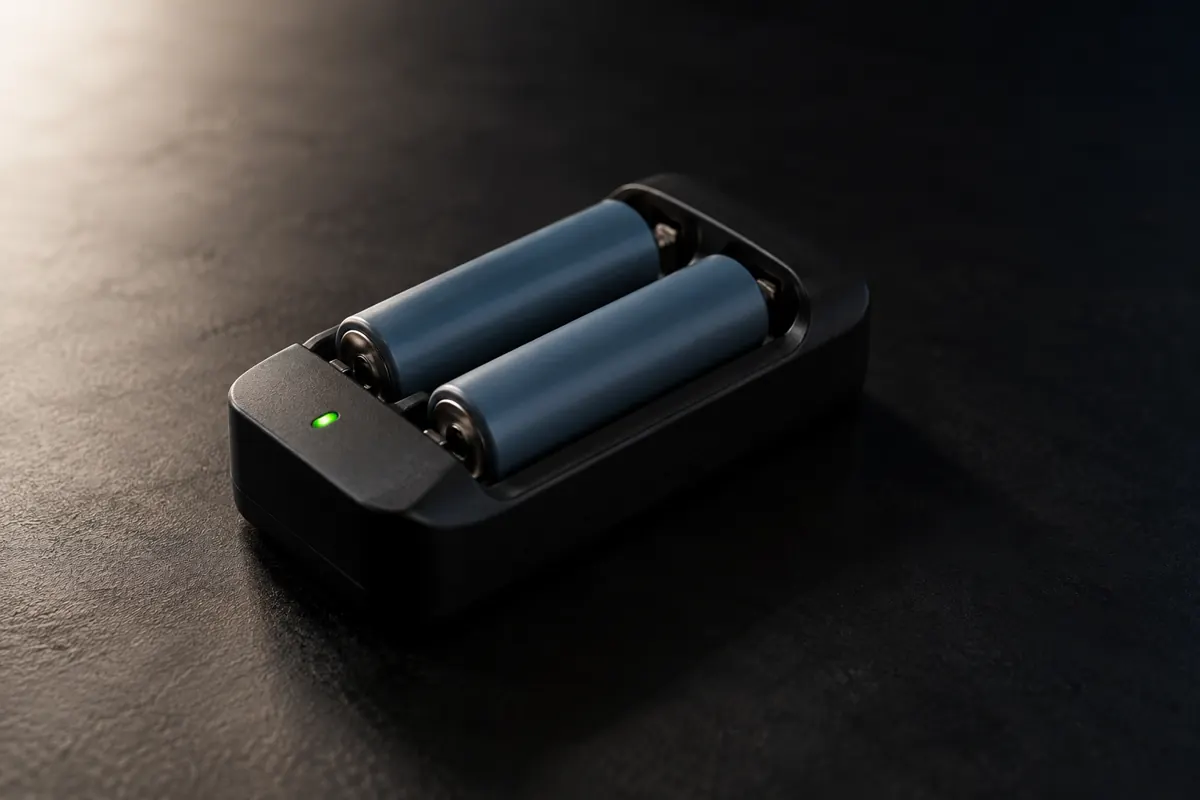
Keep the wrap intact and inspect it every time you charge or swap. Carry spares in a rigid case rather than loose beside keys or coins. Charge on a unit built for the format and the chemistry, at the current the cell manufacturer publishes, which is exactly the discipline our vape battery charger guide is built around.
And retire a cell without hesitation when it swells, warms for no reason, loses its wrap or simply stops holding a useful charge. It goes to a battery recycling point, not to the bin and not back into the rotation for one more week.
Frequently asked questions
Is the highest capacity the best 18650 battery?
Not necessarily. A high capacity lengthens runtime but usually comes with a more modest continuous discharge rating, which suits a demanding build less well. For sub ohm vaping, the discharge line matters more than the headline capacity. The right cell depends on the setup rather than on a single figure.
Where do I find a cell’s discharge rating?
On the technical sheet published by the company that manufactured the cell, under the exact reference, on the line for continuous discharge. That document is the only authority. A figure printed on a wrap may belong to a rewrap and may correspond to no published specification at all.
Are two cells of the same capacity interchangeable?
In a dual cell mod, no. You need two genuinely identical cells: same reference, same age, same charge level. A similar capacity is not enough if the model or the wear differs. In a single cell mod a replacement is easier, provided the format and the discharge rating suit the use.
Does a high capacity 18650 battery suit sub ohm vaping?
It depends entirely on its discharge rating. Some high capacity cells carry enough for moderate sub ohm use and some do not. On a very hungry build, a cell built for discharge is the sounder choice even if it means charging a little more often.
How do I know a cell is genuine?
Buy from specialist British retailers and stay with recognised cell manufacturers. Clear markings, a neat wrap and plausible specifications are good signs. Capacity and discharge figures that are abnormally high for a very low price point the other way, and an untraceable seller is reason enough to walk away.
What to take away when choosing an 18650 battery
Picking an 18650 battery comes down to placing the cursor correctly between runtime and demand, then verifying that the cell is what it claims to be. A discharge rating suited to your vaping, a capacity that makes sense alongside it and a source you can trace all count for more than the biggest number on the shelf.
The habit that survives every trend is the reading habit. Go to the manufacturer’s own datasheet, find your exact reference, read the continuous discharge line and ignore the wrap. Add matched pairs, an intact wrap, a rigid case and a charger suited to the format, and an 18650 battery will simply do its job quietly for as long as the chemistry allows.
Editorial content for adult readers only. Vaping products usually contain nicotine, a substance that causes addiction. Not for sale to under-18s in the United Kingdom. This article is not a buying recommendation.