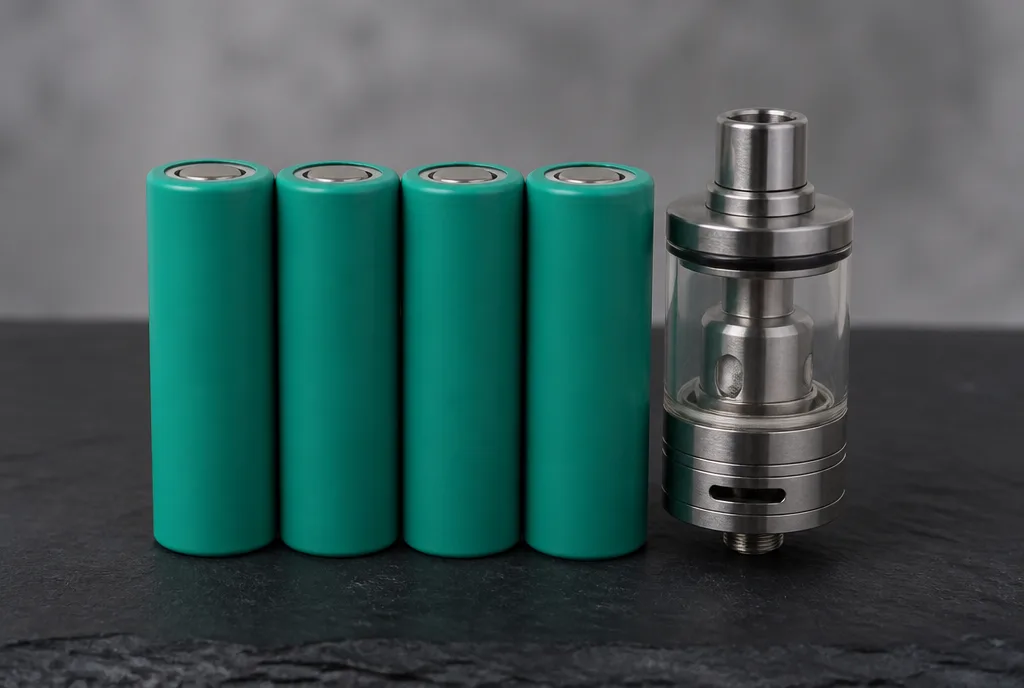
Vape battery life: the day and the years
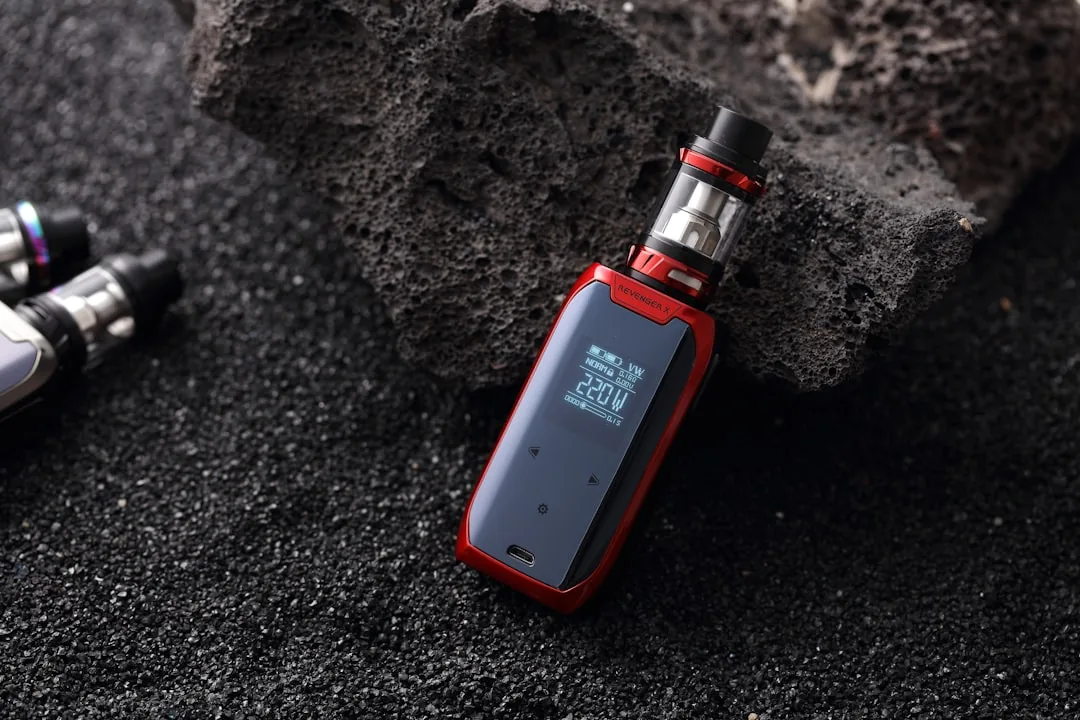
The same question surfaces every time a mod dies halfway through a shift: how long is this thing supposed to last? The trouble is that vape battery life describes two entirely different things, and British shop guides routinely mix them up on the same page. One is about the hours between charges. The other is about the months or years before a cell stops holding a useful charge. Confusing the two leads people to replace hardware that was never broken, so this guide separates them properly.
Vape battery life means two different measurements
Vape battery life covers the runtime you get from a single charge, counted in hours or in a working day, and the service life of the cell itself, counted in charge cycles across months or years. The first depends mostly on capacity in milliamp hours and on the wattage you vape at. The second depends on wear accumulated one recharge at a time.
Answering the wrong one is how people end up hunting a fault that does not exist. A vaper whose day feels too short may simply have a capacity mismatched to their wattage. A gradual, settled decline over months is something else entirely, and it is the one that ends with a new cell.
Reading mAh and the hours on one charge
The capacity printed on a cell is your first reference point for runtime, provided you read it against something. On its own it means very little.
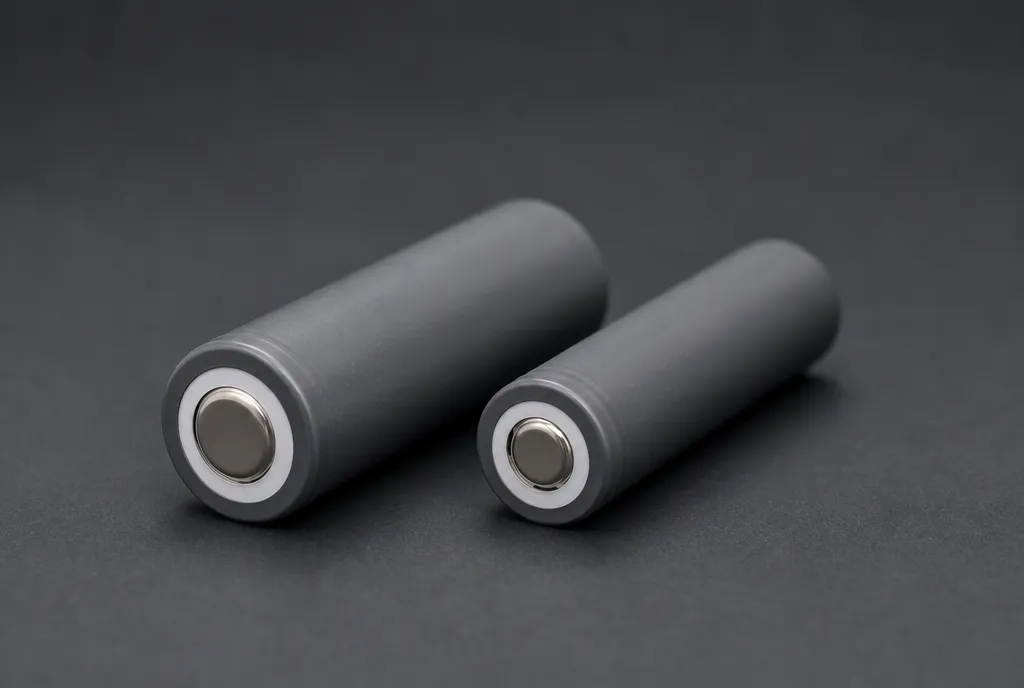
Capacity is expressed in milliamp hours. The commonly used principle is straightforward: a cell rated at a thousand milliamp hours can supply a thousand milliamps for an hour, or a smaller current for proportionally longer. The higher the figure, the larger the reserve.
That reserve empties faster the harder you vape. A hungry sub ohm setup drains a given capacity far more quickly than a tight mouth-to-lung draw on the same cell. Capacity is therefore never read alone, always alongside the wattage you actually use.
Why wattage changes everything
Two people with identical hardware report completely different vape battery life, and the wattage dial explains most of the gap. It deserves stating plainly rather than leaving implied.
Every puff at a higher setting pulls more from the same reserve. A day spent well up the wattage range empties a cell several times faster than a modest mouth-to-lung setting, with no change to the hardware at all. That is precisely why demanding builds tend to arrive attached to high capacity cells, or to dual cell mods, as our look at the 18650 battery market shows.
The practical consequence is that runtime is something you steer, using capacity on one side and your own settings on the other, rather than something the spec sheet hands you.
Charge cycles and how long a cell really serves
Past the single day, a cell ages every time you refill it. British guides commonly quote a working service life of roughly six to eighteen months for a device battery in regular use, which lines up with what the underlying chemistry does.
A lithium cell commonly withstands somewhere between three hundred and five hundred full charge cycles before its performance drops noticeably. Past that point, runtime on a full charge shortens and the available output sags, without the cell necessarily being dead. Depending on how heavily you vape, that can mean several months or a couple of years.
These cells have no memory effect, so there is no need to run them flat before recharging. Service life is counted in cycles, not on a calendar, which is why a light vaper and a heavy one get very different answers from identical hardware.
My battery drains too fast: the usual explanations
A sudden collapse in runtime nearly always has a mundane cause. Working through them in order saves an unnecessary purchase.
The first suspect is the wattage, frequently set higher than the coil or the draw actually needs. Next comes the age of the cell, which may have quietly passed its cycle range. Then the British winter, which temporarily shrinks usable capacity without doing any lasting harm.
A capacity poorly matched to the setup completes the list, as does a cell of unclear origin bought on price alone. One case is different from the others: a cell that suddenly behaves abnormally, feels warm for no reason, or shows any swelling or damage to its wrap comes out of service and goes to a battery recycling point rather than back on charge.
One factor gets blamed far more often than it deserves: the charger. Unless it is visibly damaged or plainly unsuited to the format, a charger rarely explains a runtime problem on its own. It is worth checking, but only after the wattage and the age of the cell have been ruled out.
Coils belong on the same list. A coil past its useful life often gets compensated for with a higher setting, and the extra draw lands on the cell rather than on the coil that caused it. Replacing a tired coil sometimes restores what looked like a battery fault, at no cost to the hardware at all.
Getting more out of vape battery life
A handful of habits protect both the day and the years, and none of them requires buying anything extra. They are the cheapest improvement available to any vaper.
Set the wattage to what the coil genuinely needs rather than to what the mod will allow. Keep the device out of the cold and away from direct sun or a hot car. Avoid systematically running the cell completely flat, since topping up before it empties is kinder to lithium chemistry over the long run.
Use a charger meant for the format and the chemistry of the cell rather than whatever plug is nearest, and follow the maker’s own instructions for it, a subject we cover in the vape battery charger guide. Store spare cells in a rigid case with the wrap intact. None of this is difficult, and together it is the difference between replacing a cell twice a year and replacing it once.
Frequently asked questions
How long does a vape battery last in a single day?
It depends on the capacity in milliamp hours and on the wattage you vape at. A small capacity pushed hard may not see out the day, while a large capacity on a tight mouth-to-lung draw will comfortably exceed it. There is no universal figure, only the ratio between reserve and consumption.
When should a cell be replaced?
The commonly quoted reference is somewhere around three hundred to five hundred charge cycles, which in practice means several months to a couple of years. The real signal is a clear and settled drop in runtime and output, or any physical sign of wear on the cell.
Should a battery be run flat before recharging?
No. The lithium cells used in vaping have no memory effect, and systematically draining them completely tends to tire them. Recharging before the device cuts out is the friendlier habit for long term service.
Why does my battery empty faster in winter?
Cold temporarily reduces the usable capacity of a lithium cell. Runtime returns once the device is back at room temperature. Keeping the mod inside a coat rather than an outside pocket limits the effect, which does no lasting damage.
Does a higher capacity cell vape harder?
No. Capacity in milliamp hours governs runtime, not output. What the device can deliver depends on the cell’s discharge characteristics and on the mod’s own settings. A bigger reserve makes the vape last longer, it does not make it more intense.
What to remember about vape battery life
Vape battery life only makes sense once you split it in two. Runtime on a charge is driven by capacity and by the wattage you choose, and you control both. Service life is driven by charge cycles, and the British reference of roughly six to eighteen months of regular use is a useful sanity check against your own experience.
Read the milliamp hour figure against your own settings rather than against a rival product, keep the charging habits sensible, and retire any cell that swells, overheats or loses its wrap instead of nursing it along, as our vape battery safety guide sets out. Manage those two timescales separately and vape battery life stops being a mystery and becomes something you can plan a day around.
Editorial content for adult readers only. Vaping products usually contain nicotine, a substance that causes addiction. Not for sale to under-18s in the United Kingdom. This article is not a buying recommendation.